Credit Bureau Freeze: Your Best Defense Against Identity Theft

Identity theft costs victims an average of $14,000 per incident, and the recovery process can take months or years. The good news? You have a powerful, free tool at your disposal right now: a credit bureau freeze.
A credit freeze essentially locks down your credit report so that lenders, creditors, and identity thieves cannot access it without your explicit permission. It's one of the most effective ways to prevent someone from opening fraudulent accounts in your name. And here's the best part: it costs nothing, takes minutes to set up, and you remain in complete control.
If you're serious about protecting your financial identity, Tradeline King recommends starting with a credit freeze as your first line of defense. Combined with monitoring your credit profile and understanding what goes into your reports, a freeze is foundational security that every consumer should have.
Related: Credit Freeze: How to Lock Down Your Credit Report
Related: Innovis Credit Freeze: What You Need to Know in 2026
Related: Credit Lock vs Freeze: Which Actually Protects You Best

What Exactly Is a Credit Bureau Freeze?
A credit bureau freeze (also called a security freeze) is a restriction you place on your credit file. When active, the three major credit bureaus—Equifax, Experian, and TransUnion—cannot release your credit report to potential creditors without your permission.
Think of it as changing the lock on your front door. Even if someone has your Social Security number, date of birth, or other personal information, they cannot open new credit cards, take out loans, or establish accounts in your name without first unfreezing your report with the bureau.
The freeze doesn't affect your existing accounts or credit score. It simply prevents new inquiries from accessing your file.
How to Freeze Your Credit at All Three Bureaus
You must freeze with all three major bureaus for complete protection. One freeze isn't enough. Here's how to do it:
Online (Fastest)
- Equifax: Visit equifax.com/personal/credit-report-services, navigate to "Freeze Your Credit," and follow the prompts.
- Experian: Go to experian.com and select "Credit Freeze" under security options.
- TransUnion: Access transunion.com and choose "Credit Freeze" to get started.
Online freezes are processed fastest, often within minutes to a few hours.
By Phone
- Experian:
- TransUnion:
- Equifax: Check their website for the most current number, as it varies.
By Mail
Send a written request to each bureau including your name, address, date of birth, Social Security number, and a copy of your ID. Mail takes longer, but it's an option if you prefer a paper trail.
The Cost: Completely Free
There is no charge to freeze your credit. Federal law mandates that all three bureaus provide freezes at no cost to consumers. Avoid third-party services that claim to freeze your credit for a fee. Go directly to the bureaus themselves.
The same applies to unfreezing. You can temporarily lift your freeze (called a "thaw") or permanently remove it whenever you want, also for free.
What Happens When You Apply for New Credit?

If you need new credit while your report is frozen, you'll need to temporarily unfreeze it. Most bureaus allow you to lift the freeze for a specific period (typically 30-90 days) or for a specific lender. You can do this online, by phone, or by mail, and the process usually takes 1 business day.
This is a key reason to keep your freeze PIN (a unique code provided when you set up the freeze). Store it somewhere safe so you can unfreeze quickly when needed.
Credit Freezes Vs. Fraud Alerts: What's the Difference?
A fraud alert is a weaker alternative. It notifies creditors to verify your identity before opening new accounts, but lenders can still access your report. A credit freeze is stronger because it blocks access entirely unless you explicitly allow it.
If you're rebuilding your credit or actively seeking to improve your profile for major purchases (like a mortgage), you may also consider adding tradelines to your credit mix. Tradeline King specializes in premium authorized user accounts that can complement your freeze strategy by strengthening your credit history while your report remains secure.
Best Practices After Setting Your Freeze
- Keep your PINs safe: Each bureau gives you a PIN when you freeze. Store these in a secure location, not on your phone or email.
- Monitor your existing accounts: A freeze doesn't prevent fraud on accounts you already have. Check statements monthly.
- Pull your free annual credit reports: Visit AnnualCreditReport.com to review your reports for errors or suspicious activity.
- Consider unfreezing temporarily when needed: If you're applying for credit, remember to thaw your report with the relevant bureaus beforehand.
- Maintain good credit habits: A freeze is one layer of protection. Pair it with on-time payments, low credit utilization, and diversity in your credit accounts.
If you're working to improve your credit profile while keeping it secure, the combination of a freeze plus strategic credit-building tools makes sense. Tradeline King helps qualified clients add positive account history to their credit file, which can boost your score while your freeze keeps identity thieves at bay.
Taking Action Today
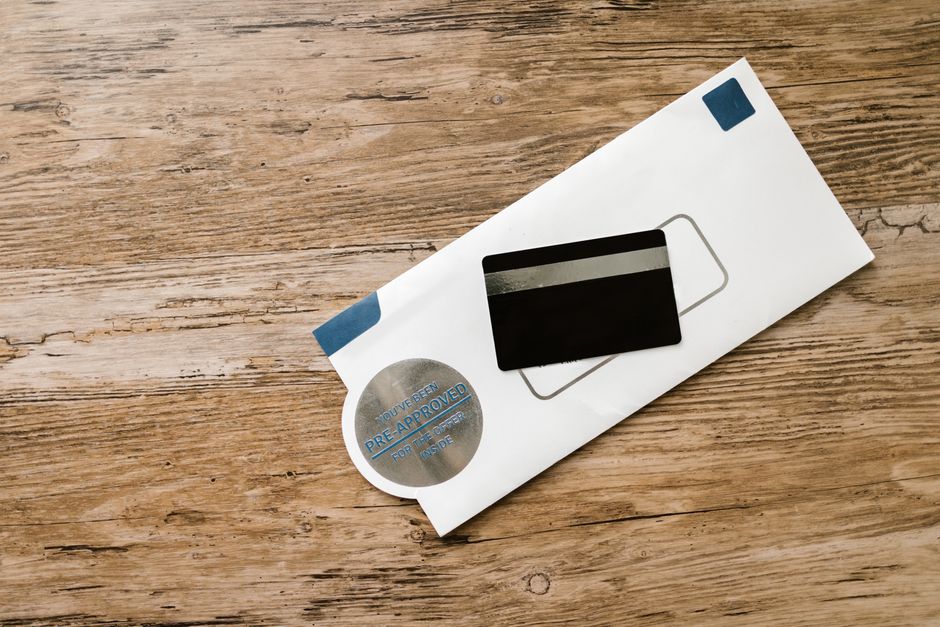
Setting a credit bureau freeze takes about 15 minutes and costs nothing. The security payoff is enormous. You're essentially eliminating one of the most common vectors for identity theft: unauthorized credit applications.
Related: What Is a Credit Freeze: Your Best Defense Against Identity Theft
Start with all three bureaus (Equifax, Experian, TransUnion) today. Once your freeze is active, you'll have peace of mind knowing that your credit report is locked down and under your control.
For those ready to go further and optimize their credit profile with trusted, authorized user tradelines, Tradeline King offers premium accounts from top US credit card issuers, reported to all three bureaus within 30 days or less. A freeze and strategic credit building work together to keep you secure while moving toward your financial goals.
Can I freeze and unfreeze my credit multiple times?
Yes, absolutely. You can freeze and unfreeze your credit as many times as needed. Each bureau allows you to set a temporary thaw or permanently remove your freeze at any time, free of charge. Just keep your PIN handy so you can manage it quickly.
Will a credit freeze lower my credit score?
No. A freeze does not affect your credit score in any way. It only restricts access to your report. Your existing accounts, payment history, and credit utilization remain unchanged.
Do I need to freeze my credit if I have good credit?
Yes. Identity theft happens to people with excellent credit just as often as it happens to those with fair credit. Thieves look for established credit profiles because they're easier to exploit. A freeze is preventative insurance regardless of your score.
What should I do if I'm already a victim of identity theft?
Contact the Federal Trade Commission's identity theft reporting center at ReportIdentityTheft.ftc.gov to file an official report. Then place a fraud alert or security freeze with all three bureaus immediately. Review your credit reports for unauthorized accounts and dispute any fraudulent entries with the bureaus in writing.
Browse seasoned authorized-user tradelines.
Every line lists its limit, age, statement date and reporting window before you buy.
See current inventoryFrequently asked questions
Can I freeze and unfreeze my credit multiple times?
Yes, absolutely. You can freeze and unfreeze your credit as many times as needed. Each bureau allows you to set a temporary thaw or permanently remove your freeze at any time, free of charge. Just keep your PIN handy so you can manage it quickly.
Will a credit freeze lower my credit score?
No. A freeze does not affect your credit score in any way. It only restricts access to your report. Your existing accounts, payment history, and credit utilization remain unchanged.
Do I need to freeze my credit if I have good credit?
Yes. Identity theft happens to people with excellent credit just as often as it happens to those with fair credit. Thieves look for established credit profiles because they're easier to exploit. A freeze is preventative insurance regardless of your score.
What should I do if I'm already a victim of identity theft?
Contact the Federal Trade Commission's identity theft reporting center at ReportIdentityTheft.ftc.gov to file an official report. Then place a fraud alert or security freeze with all three bureaus immediately. Review your credit reports for unauthorized accounts and dispute any fraudulent entries with the bureaus in writing.
Keep reading
This article is general information, not legal or financial advice. Results vary, and no specific score increase is guaranteed.