How to Check Your Credit Report: Complete Guide
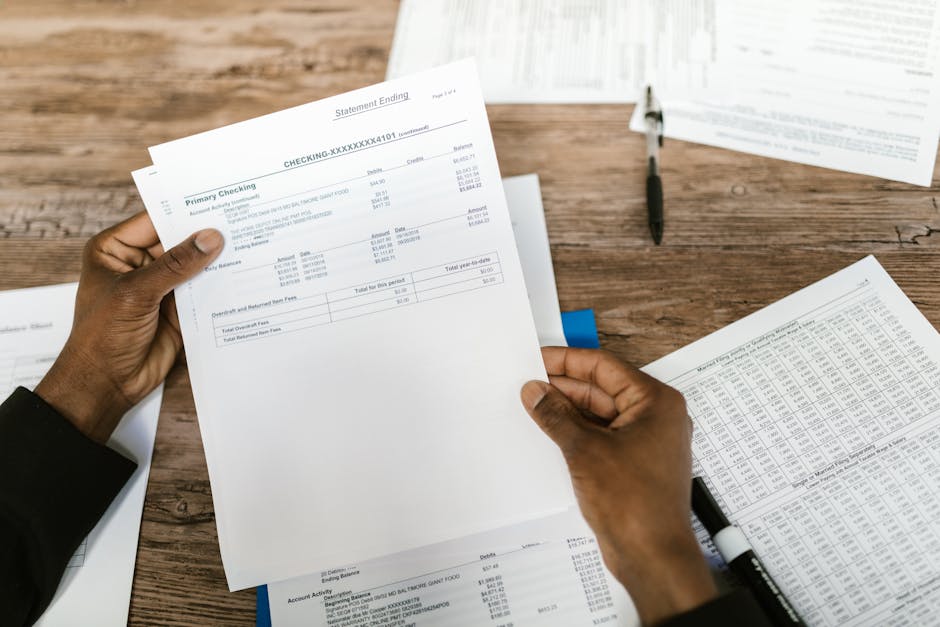
Checking your credit report is one of the smartest moves you can make for your financial health. The good news? It's completely free, takes just a few minutes, and you can do it right now.
Your credit report is the document that lenders, employers, and creditors use to decide whether to trust you with money. It shows your payment history, debts, and how long you've been managing credit. Errors on your report can tank your score, so knowing what's actually in there is non-negotiable.
Let's walk through exactly how to check your credit report and why it matters for your financial goals.
How to Check Your Credit Report in 3 Ways
You're entitled by law to one free credit report from each of the three major credit bureaus every 12 months. But there's a twist: you can actually check your report much more often now.
1. Online at AnnualCreditReport.com
The easiest method is going straight to AnnualCreditReport.com. This is the official website authorized by the government, and it's 100% safe.
Here's what to do:
- Go to AnnualCreditReport.com
- Click "Request Your Credit Reports"
- Answer security questions to verify your identity (name, address, Social Security number)
- Choose which bureaus you want to check (all three, or just one)
- You'll see your report instantly online
No credit card needed. No sign-up required. You're done in about five minutes.
2. By Phone
If you prefer talking to someone or don't want to use the website, you can call.
A representative will verify your identity over the phone, and they'll mail your credit report to you within 15 days. This option works great if you want a physical copy or don't feel comfortable providing info online.
3. By Mail
You can also request your report the old-fashioned way by mailing a request form directly to the credit bureaus.
Print the Annual Credit Report Request form, fill it out with your personal info, and mail it to the address on the form. Your report will arrive in 15 days or so. This takes longer, but it's an option if you want a paper trail.
Check Your Report More Often Than You Think
Here's something most people don't know: the three credit bureaus (Equifax, Experian, and TransUnion) have permanently expanded their free credit report program.
You can now check your credit report from each bureau once per week, completely free. That means you could pull your reports every single week of the year without spending a dime.
Related: What Is the Lowest Credit Score? Complete Guide
Related: How to Contact Credit Bureaus: Complete Guide
This matters because it lets you monitor your credit in real time. If someone opens a fraudulent account in your name, you'll catch it faster. If you're working to rebuild your credit, you can track your progress weekly instead of waiting months to see if anything changed.
What to Look for When You Check Your Credit Report
Once you have your report in front of you, here's what actually matters:
- Personal Info: Make sure your name, address, and Social Security number are correct. Wrong info gets fixed fast and is usually not a big deal.
- Payment History: This is the heavyweight. Look for late payments, missed payments, or accounts marked as delinquent. These kill your credit score.
- Accounts You Don't Recognize: If there's a credit card, loan, or line of credit you never opened, that's a red flag. It could be fraud or a mix-up by the bureau.
- Debt Amounts: Check that the balances listed match what you actually owe. High balances hurt your score, so knowing the real number matters.
- Collection Accounts: These are debts that went to a collector. They're serious and will show up here.
Does Checking Your Report Hurt Your Credit Score?

Nope. Pulling your own credit report does nothing to your score. Zero impact.
What DOES hurt your score is when a lender pulls your report (called a "hard inquiry"). But when you check it yourself, that's a "soft inquiry," and it doesn't count against you at all. Check as often as you want.
What to Do After You Check Your Report
If you spot errors on your report, dispute them with the credit bureau right away. The bureau has 30 days to investigate and respond.
If your report shows legitimate negative items (late payments, high debt), you have a few paths forward. Paying down debt and making on-time payments will gradually improve your score over time.
But if you're trying to move faster, like preparing for a mortgage application or business loan, there are strategic ways to boost your profile. Tradeline King specializes in helping people strengthen their credit with premium authorized user tradelines that report to all three bureaus within 30 days or less.

Why Check Your Report Regularly
Making credit checks a habit is smart money management. Pull your report every few months, not just once a year.
Why? Because your credit score changes constantly. New accounts get reported, payments get recorded, and debts get paid down. By checking regularly, you stay in control of your financial narrative instead of being surprised when you apply for a loan.
You'll also catch fraud way earlier, which saves you time and stress. And if you're working on rebuilding or improving your credit, checking your report lets you celebrate wins as they happen.
Getting Your Credit Score Along with Your Report
Your credit report and your credit score are two different things. The report is the raw data; the score is the number lenders use to decide whether to lend to you.
When you pull your free report from AnnualCreditReport.com, you'll get the report itself, but not necessarily your score. Many credit card issuers and banks offer free credit scores through their apps or websites, so check there first.
Once you know both your report and your score, you have a clear picture of where you stand financially and what needs to change.
Next Steps for Credit Improvement
Checking your report is step one. But if your score is lower than you'd like, you have options.
Paying down debt and making payments on time will help over time. But if you're on a tighter timeline, strategies like becoming an authorized user on accounts with strong payment history can accelerate your score improvement. That's where Tradeline King comes in, offering a fast, legitimate way to add positive credit history to your profile.
Does checking your credit report cost anything?
No. You're entitled to one free report per year from each of the three credit bureaus, and you can access them through AnnualCreditReport.com, by phone, or by mail. Plus, you can check each bureau's report once per week for free under their current program. No credit card required.
How often should you check your credit report?
You can check as often as you want with zero negative impact on your score. Many people check monthly or quarterly to stay on top of changes. Even weekly checks are fine. The more frequently you monitor, the faster you'll catch errors or fraud.
What should you do if you find an error on your credit report?
Contact the credit bureau that reported it and file a dispute. Explain what's wrong, provide any supporting documents, and send it in writing or through their online dispute tool. The bureau has 30 days to investigate. If they can't verify the error, they must remove it.
Will checking your credit report lower your credit score?
No. When you check your own report, it's a soft inquiry and doesn't affect your score. Only hard inquiries from lenders count against you. You can check your report as many times as you want without any impact.
Browse seasoned authorized-user tradelines.
Every line lists its limit, age, statement date and reporting window before you buy.
See current inventoryFrequently asked questions
How often should you check your credit report?
You can check as often as you want with zero negative impact on your score. Many people check monthly or quarterly to stay on top of changes. Even weekly checks are fine. The more frequently you monitor, the faster you'll catch errors or fraud.
What should you do if you find an error on your credit report?
Contact the credit bureau that reported it and file a dispute. Explain what's wrong, provide any supporting documents, and send it in writing or through their online dispute tool. The bureau has 30 days to investigate. If they can't verify the error, they must remove it.
Will checking your credit report lower your credit score?
No. When you check your own report, it's a soft inquiry and doesn't affect your score. Only hard inquiries from lenders count against you. You can check your report as many times as you want without any impact.
Keep reading
This article is general information, not legal or financial advice. Results vary, and no specific score increase is guaranteed.