Best Way to Check Your Annual Credit Report in 2026

Your Annual Credit Report: The Smart Starting Point
You're ready to take control of your credit. That's the right instinct. But before you make any moves, you need to see what you're actually working with. Your annual credit report is the foundation everything else sits on. It shows you exactly what creditors see, where your score stands, and what's holding you back.
Here's the good news: you can pull your free annual credit report from all three major credit bureaus (Equifax, Experian, and TransUnion) without spending a dime. No credit card required. No catch. This is a federal right, and AnnualCreditReport.com is the only official source where you can claim it safely.
Related: Best Way to Get Your Credit Report in 2026
Related: How to Get Your Free Credit Report in 2026
Once you have your reports in hand, you'll know exactly what needs fixing. That's when strategies like adding an authorized user tradeline become powerful.
How to Access Your Annual Credit Report (3 Easy Methods)
You have three official ways to get your free annual credit report. Pick whichever fits your schedule.
- Online (fastest): Go to AnnualCreditReport.com, answer a few identity verification questions, and download your reports instantly. You can pull from one bureau or all three at once.
- By phone: Call (TTY: if you need accessibility support). A representative will walk you through the request and mail your reports within 15 days.
- By mail: Download the Annual Credit Report Request form from AnnualCreditReport.com, complete it by hand, and mail it to the address on the form. Allow 15 days for delivery.
The online method is fastest. Most people get instant access and can review their reports within minutes.
What Your Annual Credit Report Actually Shows You
When you pull your reports, you'll see three main sections: personal information, credit accounts, and inquiries.
The credit accounts section is where the action is. You'll see every open and closed account in your name. This includes credit cards, mortgages, auto loans, student loans, and more. Each entry shows the creditor name, account number (partially masked), opening date, current balance, credit limit, and payment history.
Look for late payments, collections, charge-offs, or accounts you don't recognize. Errors happen more often than you'd think. If you spot something wrong, you can dispute it directly with the bureau.
The inquiries section lists every time a lender has pulled your credit. Hard inquiries (from credit applications) can dip your score slightly. Soft inquiries (from employers or existing creditors) don't count.
This is detective work. Spend 15-20 minutes reading each report carefully. Many people discover errors, old negative marks, or fraudulent accounts they didn't know about.
Why Your Annual Credit Report Matters Right Now

You're checking your annual credit report because you have a goal. Maybe you're saving for a mortgage. Maybe you're refinancing a car loan. Maybe you're just tired of missing out on better interest rates and credit limits.
Related: Best Ways to Check Your Credit Report for Free in 2026
Whatever your goal is, your credit report is the map that gets you there. It tells you whether you're one month away from approval or six months away. It shows you whether your strategy should be dispute errors, build positive history, or accelerate your timeline with proven tools.
If you're looking to move faster, Tradeline King offers authorized user tradelines that report to all three bureaus within 30 days or less. This is especially useful if your report shows thin credit history or older negative marks. Adding authorized user accounts with pristine payment histories can boost your score while you continue building positive activity yourself.

But first, pull your reports. Know what you're working with. Make informed decisions from there.
Three Things to Do After You Get Your Annual Credit Report
1. Compare all three bureaus. Your Equifax, Experian, and TransUnion reports might look different. Each bureau compiles data independently, and not every creditor reports to all three. Review all three to get the complete picture.
2. Dispute inaccuracies immediately. Found a late payment that wasn't yours? A closed account still showing as open? A balance that's wrong? File a dispute with the bureau within 30 days of receiving your report. The bureau must investigate within 30 days and remove unverified information.
3. Create a timeline for your credit goals. If your report shows recent negative marks, know that they'll fade over time. Missed payments drop off after 7 years. Charge-offs age out. Collections age out. Understanding your timeline helps you decide whether to wait, dispute, or accelerate with tradelines. Many people working with Tradeline King use their annual credit report to measure improvement month to month.
Important: Annual Credit Report Frequency and Monitoring
You get one free annual credit report from each bureau per year. That's three total per year if you space them out. Some people request one every four months to keep tabs on changes.
Beyond your annual reports, all three bureaus offer weekly monitoring services if you want to stay on top of changes. These paid services alert you to new inquiries, accounts, or suspicious activity.
The annual reports are sufficient for most people. If you're actively working to improve your credit (like adding authorized user accounts or disputing errors), checking every four months can help you track progress without paying for monitoring.
Protecting Yourself: Only Use Official Channels
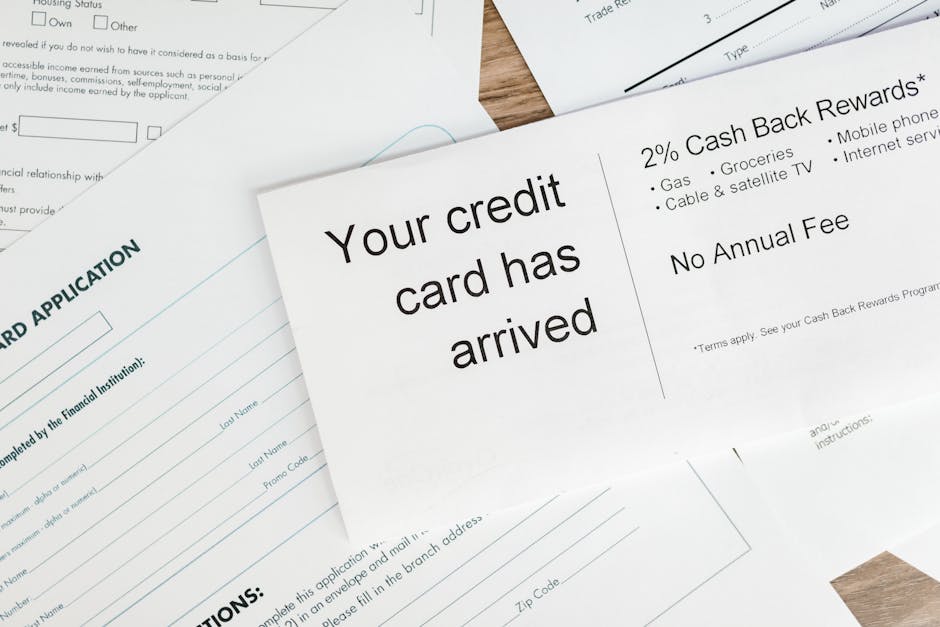
Here's a critical warning: scammers prey on people looking for free credit reports. Websites with names like "FreeCreditReport.com" or "YourCreditReport.com" look official but charge fees or trap you in paid subscriptions.
The only legitimate source is AnnualCreditReport.com. It's run by Equifax, Experian, and TransUnion together. It will never ask you to pay. It will never force you into a subscription. Bookmark it and use it every time.
Once you have your clean, official reports, you can make smart decisions about your credit strategy. Whether that's disputing errors, building positive history, or exploring tools like authorized user tradelines, you're starting from truth, not guesswork.
Your Next Step: Review, Plan, and Act
Pull your annual credit report today. Set aside an hour to read through all three bureaus' reports. Write down anything confusing, any errors, and any accounts you don't recognize.
From there, you'll know exactly what you're working with. If you need to accelerate your timeline or fill in credit history gaps while you're building positive activity, that's where credit-building tools come into play. Many credit-conscious people combine their annual report review with authorized user strategies to maximize their progress.
Your credit didn't get where it is overnight. Improving it doesn't happen overnight either. But it happens faster when you start with real data and a clear plan.
Can I pull my annual credit report more than once per year?
Yes. You're entitled to one free report per bureau per year, which gives you three total. You can space them out (one every four months) to monitor changes throughout the year. You can also pull them all at once if you want a complete snapshot. If you pull from all three bureaus simultaneously, you'll see the full picture immediately.
Will pulling my annual credit report hurt my credit score?
No. Pulling your own credit report is a soft inquiry, which does not affect your credit score. Only hard inquiries (from lenders when you apply for credit) can dip your score. Checking your own report is always safe and encouraged.
Related: How to Check Your Credit Score for Free in 2026
What if I find errors on my annual credit report?
File a dispute with the bureau that reported the error. You can do this online, by mail, or by phone. The bureau must investigate within 30 days and either correct or remove unverified information. Keep records of everything you submit. If the error isn't corrected, you can request a statement be added to your report explaining your dispute.
How quickly can I improve my credit after reviewing my annual credit report?
That depends on your situation. Disputing errors can take 30 days. Building positive history takes months. If you need faster results, authorized user tradelines can report within 30 days or less. The key is knowing what's on your report first, then choosing your strategy based on real data and your timeline.
Browse seasoned authorized-user tradelines.
Every line lists its limit, age, statement date and reporting window before you buy.
See current inventoryFrequently asked questions
Can I pull my annual credit report more than once per year?
Yes. You're entitled to one free report per bureau per year, which gives you three total. You can space them out (one every four months) to monitor changes throughout the year. You can also pull them all at once if you want a complete snapshot. If you pull from all three bureaus simultaneously, you'll see the full picture immediately.
Will pulling my annual credit report hurt my credit score?
No. Pulling your own credit report is a soft inquiry, which does not affect your credit score. Only hard inquiries (from lenders when you apply for credit) can dip your score. Checking your own report is always safe and encouraged.
What if I find errors on my annual credit report?
File a dispute with the bureau that reported the error. You can do this online, by mail, or by phone. The bureau must investigate within 30 days and either correct or remove unverified information. Keep records of everything you submit. If the error isn't corrected, you can request a statement be added to your report explaining your dispute.
How quickly can I improve my credit after reviewing my annual credit report?
That depends on your situation. Disputing errors can take 30 days. Building positive history takes months. If you need faster results, authorized user tradelines can report within 30 days or less. The key is knowing what's on your report first, then choosing your strategy based on real data and your timeline.
Keep reading
This article is general information, not legal or financial advice. Results vary, and no specific score increase is guaranteed.