What Is a Credit Freeze: Your Best Defense Against Identity Theft

You're worried about identity theft. Maybe you heard about a data breach, or you're just being smart about your financial security. Either way, you're asking the right question: what is a credit freeze, and can it actually protect you?
The short answer is yes. A credit freeze is one of the most powerful tools you have to lock down your credit profile and prevent scammers from opening accounts in your name. It's free, it works, and it takes just minutes to set up. Here's what you need to know to take action today.
What Is a Credit Freeze?
A credit freeze (also called a "security freeze") is a restriction you place on your credit report that prevents lenders and creditors from accessing it without your permission. Think of it like putting a padlock on your credit file at the three major bureaus: Equifax, Experian, and TransUnion.
Related: Credit Freeze: How to Lock Down Your Credit Report
Related: Credit Lock vs Freeze: Which Actually Protects You Best
When a freeze is active, anyone trying to open a new credit card, car loan, or mortgage in your name will be blocked. The lender won't even see your credit report, so they can't approve the account. This is exactly what stops identity thieves from fraudulently opening lines of credit and racking up debt in your name.
The key difference between a credit freeze and other protective measures is scope. A fraud alert warns creditors to verify your identity before opening new accounts, but they can still try. A freeze stops them cold.
Why You Need a Credit Freeze (And When to Act)
Identity theft is real, and it's growing. Criminals steal personal information through data breaches, phishing emails, and even old-fashioned methods like mail theft. Once they have your Social Security number and identifying details, they can move fast.
You should consider a credit freeze if:
- You've been notified of a data breach affecting your information
- You suspect your identity has been compromised
- You want proactive protection before fraud happens
- You're not actively applying for new credit right now
The beauty of freezing your credit is that it costs absolutely nothing. There are no fees to freeze, unfreeze, or maintain the freeze. It's a completely free security layer that Tradeline King recommends as a foundational step for anyone serious about protecting their financial identity.

How a Credit Freeze Works
Here's the practical breakdown of what happens when you freeze your credit:
- You initiate the freeze: You contact Equifax, Experian, and TransUnion (or use their online portals) and request a security freeze.
- A PIN is issued: Each bureau gives you a unique PIN that you'll need to unfreeze your credit later.
- Your report gets locked: Within one to three business days, the freeze goes into effect across that bureau.
- New credit applications are blocked: Anyone trying to pull your credit report to open new accounts will be denied access.
The freeze stays in place until you actively lift it. You can temporarily unfreeze your report if you need to apply for a loan, then re-freeze it once the application is approved. It's completely within your control.
Credit Freezes vs. Fraud Alerts: What's the Difference?

You might hear about fraud alerts and wonder if they're the same as freezes. They're not.
A fraud alert tells creditors to take extra caution and contact you before opening new accounts. It's a warning flag. But the creditor can still approve the account if they verify your identity.
A credit freeze is a hard stop. No verification phone call, no "are you sure?" The creditor simply cannot access your credit report. It's the nuclear option for protection, and it's why many security experts recommend using both in tandem if you've already experienced fraud.
According to the Federal Trade Commission's identity theft resource center, a credit freeze is considered one of the most effective ways to prevent fraudulent credit applications in your name.
Important Limitations of a Credit Freeze
Before you freeze your credit, understand what it doesn't protect against:
Related: Credit Bureau Freeze: Your Best Defense Against Identity Theft
- Existing accounts: A freeze won't stop fraud on credit cards or accounts you already have. It only blocks new account creation.
- Non-credit fraud: It won't protect you if someone misuses your identity for things like opening utility accounts, taking out payday loans, or tax fraud.
- Exceptions: Certain entities (like existing creditors, debt collectors, and government agencies) may be able to access your frozen credit report in specific circumstances.
This is why a credit freeze is best used as one layer of protection, not your only defense. Combine it with fraud alerts, regular credit monitoring, and strong passwords.
How to Freeze Your Credit (Step by Step)
Setting up a credit freeze is straightforward and takes about 10 minutes total across all three bureaus.
Contact each bureau directly:
- Equifax: or www.equifax.com/personal/credit-report-services
- Experian: or www.experian.com/freeze
- TransUnion: or www.transunion.com/credit-freeze
You can freeze your credit online, by phone, or by mail. Online is fastest. You'll need to provide your name, date of birth, Social Security number, and current address. Each bureau will issue you a unique PIN to unfreeze later. Write these down or store them securely.
Once your freeze is active at all three bureaus, your credit report is protected from unauthorized access.
Freezing Your Credit Is Just One Layer of Protection
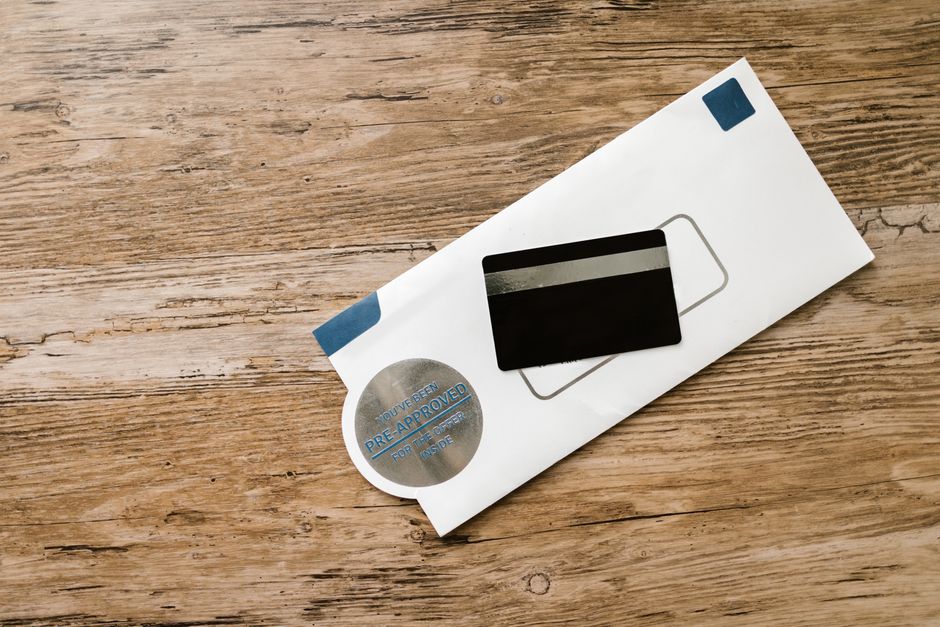
A credit freeze stops new fraudulent accounts, but protecting your full financial identity requires a broader approach. If you're working on rebuilding your credit profile legitimately, you also need to understand what goes into your credit report.
Your credit mix matters. Payment history matters. And if you're looking to boost your credit score quickly and responsibly, adding positive tradelines to your profile is one of the most effective strategies available. Tradeline King specializes in connecting qualified individuals with premium authorized user accounts that report to all three bureaus within 30 days or less, giving your score a real, measurable lift while you work on your overall financial health.
Think of it this way: a credit freeze protects you from the bad. Authorized user tradelines help you build the good. Together, they form a comprehensive credit protection and improvement strategy.
When to Temporarily Unfreeze Your Credit
If you need to apply for a mortgage, auto loan, or new credit card, you'll need to unfreeze temporarily. Here's how:
- Contact the bureau and provide your PIN
- Request a temporary lift (usually 30-45 days) or permanent removal
- Complete your application while unfrozen
- Re-freeze after approval to lock it back down
This process takes a few days, so plan ahead if you're shopping for credit. Most lenders need access to your report within a specific timeframe, and you want that window to be as short as possible.
Building a Complete Credit Defense Strategy
A credit freeze is your first line of defense. But a complete strategy also includes:
- Monitoring your credit reports regularly (free at annualcreditreport.com)
- Enabling two-factor authentication on financial accounts
- Using strong, unique passwords for all accounts
- Checking your credit score trends over time
- Reviewing statements monthly for fraudulent activity
If you're actively working on improving your credit score, combining these defensive measures with positive credit-building tools is the smart move. That's where Tradeline King comes in. While your freeze protects you from identity theft, authorized user accounts work quietly in the background, adding positive payment history to your profile and lifting your score.
FAQ: Your Credit Freeze Questions Answered
Does a credit freeze hurt your credit score?
No. A credit freeze doesn't impact your score at all. It's simply a security restriction. Your credit report and score remain exactly as they were before the freeze.
Can I still apply for credit with a freeze in place?
Yes, but you'll need to unfreeze first. Contact the bureaus and provide your PIN to temporarily lift the freeze. Most lenders need access to your report to process applications. Once your application is approved, you can re-freeze immediately.
How long does a credit freeze last?
A credit freeze remains in place indefinitely until you request removal. You're in complete control. You can lift it temporarily, permanently, or leave it frozen as long as you want.
What if I'm a victim of identity theft? Is a freeze enough?
A freeze is a critical first step and prevents new fraudulent accounts going forward. But if theft has already occurred, you should also file a report with the FTC at identitytheft.gov, dispute fraudulent accounts on your credit report, and monitor your accounts closely. A freeze stops future fraud, but addressing existing fraud requires additional action.
Browse seasoned authorized-user tradelines.
Every line lists its limit, age, statement date and reporting window before you buy.
See current inventoryFrequently asked questions
Does a credit freeze hurt your credit score?
No. A credit freeze doesn't impact your score at all. It's simply a security restriction. Your credit report and score remain exactly as they were before the freeze.
Can I still apply for credit with a freeze in place?
Yes, but you'll need to unfreeze first. Contact the bureaus and provide your PIN to temporarily lift the freeze. Most lenders need access to your report to process applications. Once your application is approved, you can re-freeze immediately.
How long does a credit freeze last?
A credit freeze remains in place indefinitely until you request removal. You're in complete control. You can lift it temporarily, permanently, or leave it frozen as long as you want.
What if I'm a victim of identity theft? Is a freeze enough?
A freeze is a critical first step and prevents new fraudulent accounts going forward. But if theft has already occurred, you should also file a report with the FTC at identitytheft.gov, dispute fraudulent accounts on your credit report, and monitor your accounts closely. A freeze stops future fraud, but addressing existing fraud requires additional action.
Keep reading
This article is general information, not legal or financial advice. Results vary, and no specific score increase is guaranteed.