How to Raise Credit Score 100 Points: Proven Strategies

Raising your credit score 100 points is possible, but let's be honest: it's not a quick fix. You're looking at several months to a couple of years depending on where you're starting from and what credit issues you're dealing with. That said, there are clear, proven moves that will push your score in the right direction. Let me walk you through exactly what works.
How to Raise Credit Score 100 Points: The Reality Check
First things first. A 100-point increase isn't magic—it's math. Your FICO score is built on five factors, and some matter way more than others. Tradeline King works with people on credit building every day, and the pattern is always the same: focus on what actually moves the needle.

Payment history makes up 35% of your score. Credit utilization makes up 30%. Together, that's 65% of your entire score. If you're not winning in these two buckets, a 100-point jump is basically impossible. So that's where we start.
Step 1: Fix Your Payment History (The Big One)
Your payment history is the heavyweight champion of credit scoring. Miss a payment? Your score gets hammered. Make payments on time for months? It climbs back up.
Here's what you need to do:
- Set up automatic payments on every credit card and loan you have. Not "when you remember"—automatic.
- Pay at least the minimum. Better yet, pay more than the minimum.
- If you've already missed payments, they'll hurt for 7 years, but the damage gets less severe over time. A late payment from 2 years ago hurts less than one from last month.
- Don't miss another payment. Seriously. This is non-negotiable.
If you've got accounts in collections or charge-offs, those are tougher nuts to crack. Consider hiring a credit counselor or talking to a financial advisor about your options—sometimes a settlement or payment plan can help.
Step 2: Lower Your Credit Card Balances (The Fast Win)
Credit utilization is your second-biggest lever. This is the percentage of available credit you're actually using.
The math is simple:
- If you have a $5,000 credit limit and a $2,500 balance, you're at 50% utilization.
- Credit bureaus love seeing you below 30% utilization. Aim even lower if you can.
- Ideally? Get every card below 10% of its limit.
This one can move your score fast. Pay down your balances, and you'll see results in as little as 30 days when the new balance gets reported to the bureaus.
Got high balances but limited cash? Focus on the cards with the highest utilization first. A $3,000 balance on a $5,000 card (60%) hurts way more than a $500 balance on a $10,000 card (5%).
Step 3: Don't Close Old Accounts (Seriously)
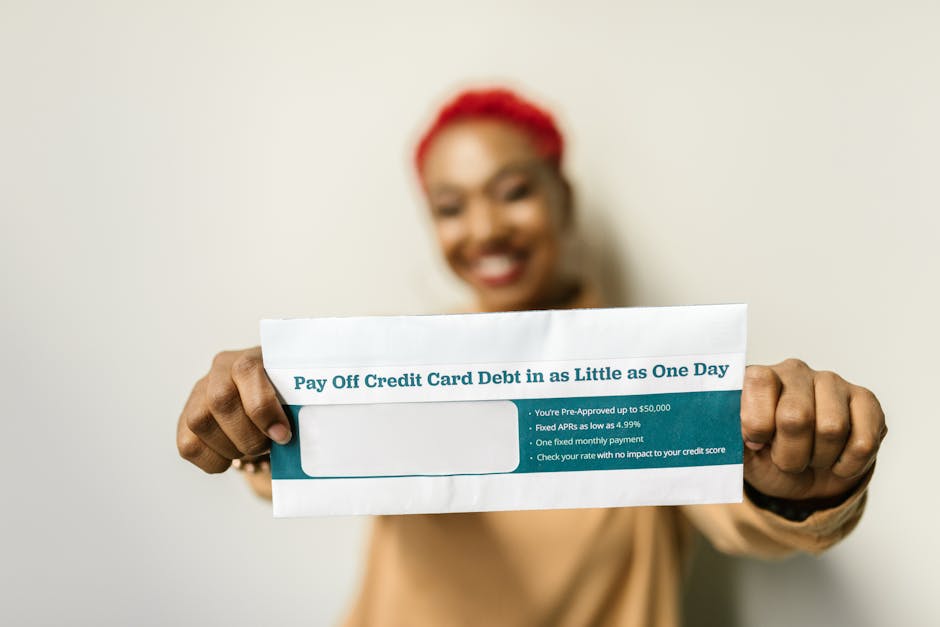
Here's a mistake tons of people make: they pay off an old credit card and close it. Feels like a win, right? Wrong.
Related: How to Raise Your Credit Score Quickly: 7 Real Tactics
Related: How to Raise Credit Score Fast: 7 Proven Methods
Related: How to Increase Credit Score Fast: 7 Proven Methods
Closing an account hurts you in two ways:
- It lowers your average account age. Lenders like seeing a long history of credit responsibility.
- It reduces your total available credit, which can spike your utilization ratio even if you haven't charged anything new.
Keep old accounts open. Even if you're not using them. Just keep them active with a small charge every few months (like a subscription you can afford) and pay it off right away. Your score will thank you.
Step 4: Add Positive Credit Mix (The Long Play)
Your credit mix—having different types of credit—makes up 10% of your FICO score. Not huge, but it counts.
Types of credit include:
- Credit cards (revolving credit)
- Auto loans (installment credit)
- Mortgages (installment credit)
- Personal loans (installment credit)
If you only have credit cards, adding an installment loan (like a small personal loan from a credit union) shows you can manage different kinds of debt. But here's the thing: don't go out and take on debt you don't need just for your credit score. That's counterproductive.
A smarter move? Becoming an authorized user on someone else's established credit card account. You get the credit-building benefit without the debt. This is why services like Tradeline King exist—to give you access to high-quality, established accounts with perfect payment histories. It's one of the fastest ways to improve your profile.
Step 5: Limit New Credit Applications
Every time you apply for credit, the lender does a hard inquiry on your credit report. Each hard inquiry can temporarily drop your score by a few points.
Multiple hard inquiries in a short time? That's a red flag to lenders (it looks like you're desperately seeking credit) and it dents your score.
So here's the rule: don't apply for new credit unless you actually need it. Space out your applications. And know that hard inquiries fall off your report after 12 months—they don't hurt forever.
Step 6: Dispute Errors on Your Credit Report

You'd be surprised how many credit reports have mistakes. Maybe there's a late payment that isn't yours. Maybe an account shows as open when you closed it. Maybe a balance is wrong.
Check your credit report at annualcreditreport.com (it's free, it's official, and it's the only legit free option). You get one free report from each of the three bureaus (Equifax, Experian, TransUnion) every 12 months.
Found an error? File a dispute. It's free and it can genuinely bump your score if the error is removed.
How Long Does a 100-Point Increase Actually Take?
Let's be real about timelines. If you're starting from a 550 (rough shape), you might hit 650 in 6-12 months with disciplined payment history and lowered utilization. If you're starting from 650 and aiming for 750, you're probably looking at 1-2 years.
Why the gap? Because the credit system weights recent history heavily. Recent on-time payments matter more than old ones. Recent low utilization matters. But fixing old negative items takes time.
The fastest way to accelerate a 100-point jump? Combine the fundamentals above with authorized user tradelines. Adding a tradeline with a perfect payment history and low utilization can show immediate results—sometimes within 30 days. That's why Tradeline King has become a go-to for people serious about fast credit improvement.
Your Action Plan to Raise Your Credit Score 100 Points
Here's your checklist:
- Month 1: Set up autopay on everything. Pull your free credit report and dispute any errors.
- Month 1-3: Aggressively pay down credit card balances to below 30% utilization.
- Ongoing: Never miss another payment. Ever.
- Month 3+: Keep balances low, don't close old accounts, and avoid unnecessary new applications.
- Accelerator (optional but effective): Research authorized user tradelines or other credit-building tools to supplement your efforts.
The combination of on-time payments, low utilization, and a clean credit report can realistically get you to a 100-point increase. It takes discipline, but it's absolutely doable.
Final Word on Credit Score Growth
A 100-point increase changes your life financially. It opens doors to better interest rates on mortgages, auto loans, and credit cards. It can save you tens of thousands of dollars over time. So it's worth the effort.
The strategy is straightforward: dominate payment history and credit utilization, clean up your report, and be patient. If you want to accelerate the process beyond these fundamentals, tools designed specifically for credit building—like those offered by Tradeline King—can be a legitimate shortcut.
Can you raise your credit score 100 points in 3 months?
Unlikely, unless you're starting from a very specific situation with isolated issues. Most people need 6-12 months for significant movement. That said, if your score is held back by high utilization alone, paying that down can move 50-75 points in 30-60 days. Add an authorized user tradeline with perfect history, and you could see 75-100 points in the first reporting cycle (usually within 30 days).
Does closing a credit card hurt your credit score?
Yes. Closing an account reduces your average account age and your total available credit, both of which hurt your score. Keep old accounts open and active (even with small charges) instead.
How much does credit utilization affect your score?
It's about 30% of your FICO score. Keeping utilization below 30% is recommended; below 10% is ideal. This is one of the fastest levers you can pull for score improvement.
Will paying off old debt improve my credit score?
Paying off recent debt will help. Paying off very old debt (7+ years old) might have minimal impact since the negative mark is already aging out. But in general, showing you're responsible with debt management now is what matters most to lenders.
Browse seasoned authorized-user tradelines.
Every line lists its limit, age, statement date and reporting window before you buy.
See current inventoryFrequently asked questions
Can you raise your credit score 100 points in 3 months?
Unlikely, unless you're starting from a very specific situation with isolated issues. Most people need 6-12 months for significant movement. That said, if your score is held back by high utilization alone, paying that down can move 50-75 points in 30-60 days. Add an authorized user tradeline with perfect history, and you could see 75-100 points in the first reporting cycle (usually within 30 days).
Does closing a credit card hurt your credit score?
Yes. Closing an account reduces your average account age and your total available credit, both of which hurt your score. Keep old accounts open and active (even with small charges) instead.
How much does credit utilization affect your score?
It's about 30% of your FICO score. Keeping utilization below 30% is recommended; below 10% is ideal. This is one of the fastest levers you can pull for score improvement.
Will paying off old debt improve my credit score?
Paying off recent debt will help. Paying off very old debt (7+ years old) might have minimal impact since the negative mark is already aging out. But in general, showing you're responsible with debt management now is what matters most to lenders.
Keep reading
This article is general information, not legal or financial advice. Results vary, and no specific score increase is guaranteed.